
Predictive analytics used to feel like a “nice-to-have” reserved for massive dealership groups or tech-savvy automakers. But today? It’s becoming the secret weapon helping automotive marketers understand buyer intent, personalize the customer journey, and close more deals with less effort.
If you’ve ever wondered “How do we turn all this shopper behavior data into real conversions?” — you’re not alone. Think of predictive analytics like a GPS for decision-making: it analyzes where shoppers have been, predicts where they’re going, and gives you the fastest route to get them to convert.
we’ll break down how automotive leaders can use predictive analytics to drive conversions in practical, easy-to-apply ways — no technical jargon, no complex spreadsheets, just clear insights.
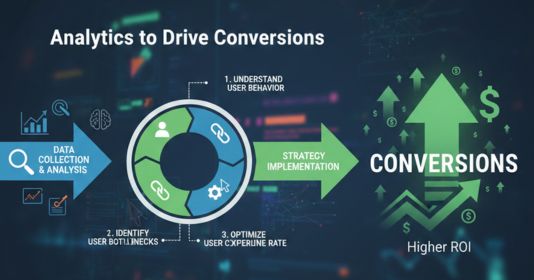
Analytics to Drive Conversions
Understanding Predictive Analytics in Automotive Marketing
Predictive analytics uses data, patterns, and algorithms to forecast future outcomes — such as which shoppers are most likely to buy, when they’ll return for service, or which model they’ll choose.
Instead of guessing, dealers finally get answers backed by real data.
It’s not magic — it’s simply turning past behavior into future predictions.
Why Predictive Analytics Matters More Than Ever
The modern auto shopper doesn’t browse casually — they research, compare, and bounce between online and in-person touchpoints.
Predictive analytics helps answer questions like:
-
Who is likely in-market right now?
-
What message will convert them?
-
Which channel is worth spending money on?
When budgets are tight and competition is high, these insights give automotive leaders a major edge.
How Predictive Models Identify High-Intent Shoppers
High-intent shoppers leave digital “breadcrumbs” everywhere. Predictive analytics gathers and interprets signals such as:
-
Repeat website visits
-
VDP (vehicle detail page) engagement
-
Trade-in evaluation activity
-
Finance calculator usage
-
Browsing patterns
-
Lead form interactions
-
Social engagement
Each action creates a clearer picture of who’s ready to buy.
Key Insight:
Predictive scoring can flag a shopper as “ready to convert” days or even weeks before a typical CRM would.
Imagine getting notified about a customer who will buy before they even know it themselves — that’s the power of prediction.
Personalizing the Customer Journey With Predictive Insights
Personalization used to mean adding a customer’s name in an email.
Today, it’s about delivering the right message to the right shopper at the right time.
Predictive analytics empowers:
-
Dynamic website personalization — Show SUVs to SUV shoppers.
-
Smart email campaigns — Send relevant offers based on browsing.
-
Trigger-based outreach — Action messages triggered by intent signals.
-
Tailored ad experiences — Retargeting based on buyer profile.
When customers feel understood, conversions rise instantly.
Using Predictive Analytics to Improve Lead Scoring
Traditional lead scoring often relies on basic indicators: form fills, calls, or visits.
Predictive lead scoring, however, accounts for dozens or hundreds of data points, such as:
-
Time on-site
-
Search trends
-
Demographic patterns
-
Historical buying behavior
This helps sales teams prioritize leads more accurately.
Why it matters:
Your sales team wastes less time chasing low-intent leads and spends more time closing deals that matter.
Predicting Service and Maintenance Demand
Predictive analytics isn’t just for sales — it’s a goldmine for fixed ops.
Shops can forecast:
-
When customers will need routine maintenance
-
Which parts should be stocked
-
How many appointments to expect
-
Which customers are at risk of defecting
A dealership with predictable service demand becomes more efficient, profitable, and customer-focused.
Inventory Forecasting and Smart Stocking
Dealers often struggle with balancing inventory — too much of the wrong vehicle hurts profit, and too little of the right vehicle pushes shoppers elsewhere.
Predictive analytics helps leaders answer:
-
Which models will be in demand next month?
-
What incentives will drive conversions?
-
Which trims and colors sell fastest?
This leads to:
-
Lower floorplan costs
-
Faster turn rates
-
A better match between market demand and available stock
In short — fewer guessing games and more profitable decisions.
Enhancing Digital Advertising Performance
Think of predictive analytics as the fuel that supercharges your digital ad engine.
Using predictive insights, marketers can:
-
Build audiences based on likelihood to buy
-
Exclude shoppers who already purchased
-
Allocate budget to high-performing channels
-
Serve ads personalized to each shopper’s intent
The result?
Lower cost per lead and higher conversions.
How Predictive Analytics Supports F&I Growth
Finance & Insurance departments often rely on timing and persuasion.
Predictive analytics offers insights like:
-
Likelihood of financing
-
Expected trade-in timing
-
Accessory and protection plan interest
-
Credit score probability ranges
This allows teams to prepare better offers and deliver more relevant conversations.
The Role of AI and Machine Learning in Prediction
AI and machine learning continuously improve the accuracy of predictive models by learning from:
-
Shopper trends
-
Historical sales cycles
-
Seasonal patterns
-
Marketing impact
Each dataset makes predictions sharper, smarter, and more reliable.
Overcoming Common Barriers to Adoption
Many leaders hesitate because predictive analytics feels overwhelming.
But here’s the truth:
-
You don’t need a data scientist.
-
You don’t need huge datasets.
-
You don’t need expensive tools.
Start small and scale gradually.
Common challenges include:
-
Data silos
-
Low CRM hygiene
-
Lack of strategy
-
Fear of complexity
With proper guidance and the right platforms, adoption becomes seamless.
Real-World Examples of Predictive Analytics in Action
Example 1: Boosting VDP Conversions
A dealership used predictive insights to identify shoppers likely to buy within seven days. With targeted follow-ups, conversions increased by 22%.
Example 2: Service Revenue Surge
Predictive maintenance forecasting helped a store boost service appointments by 18%.
Example 3: Smarter Inventory Mix
A dealer group used prediction models to stock more hybrid SUVs — matching rising demand and increasing turn rate by 35%.
How Dealership Leaders Can Get Started
Start with these simple steps:
-
Evaluate your current data sources
-
Choose a predictive analytics tool or partner
-
Set clear goals (lead scoring, inventory, service forecasting, etc.)
-
Integrate with your CRM and DMS
-
Train your team on new workflows
-
Monitor results and optimize
You don’t need a perfect setup — you just need momentum.
Future Trends: What’s Next in Predictive Auto Marketing
Expect rapid growth in:
-
Voice and chatbot-based predictive assistance
-
Even more personalized digital shopping experiences
-
Predictive incentives based on real-time intent
-
Connected vehicle data predicting when customers re-enter the market
-
AI tools that help automate the full customer lifecycle
Dealers who adopt early will lead the next wave of innovation.
Final Thoughts
Predictive analytics isn’t just another marketing gimmick — it’s a transformational tool that helps automotive leaders understand shopper behavior at a deeper level and take smarter actions.
When used correctly, Analytics to Drive Conversions becomes more than just a strategy — it becomes a competitive advantage.
The future belongs to dealerships that can predict what customers want before customers even ask.
Recent Comments