
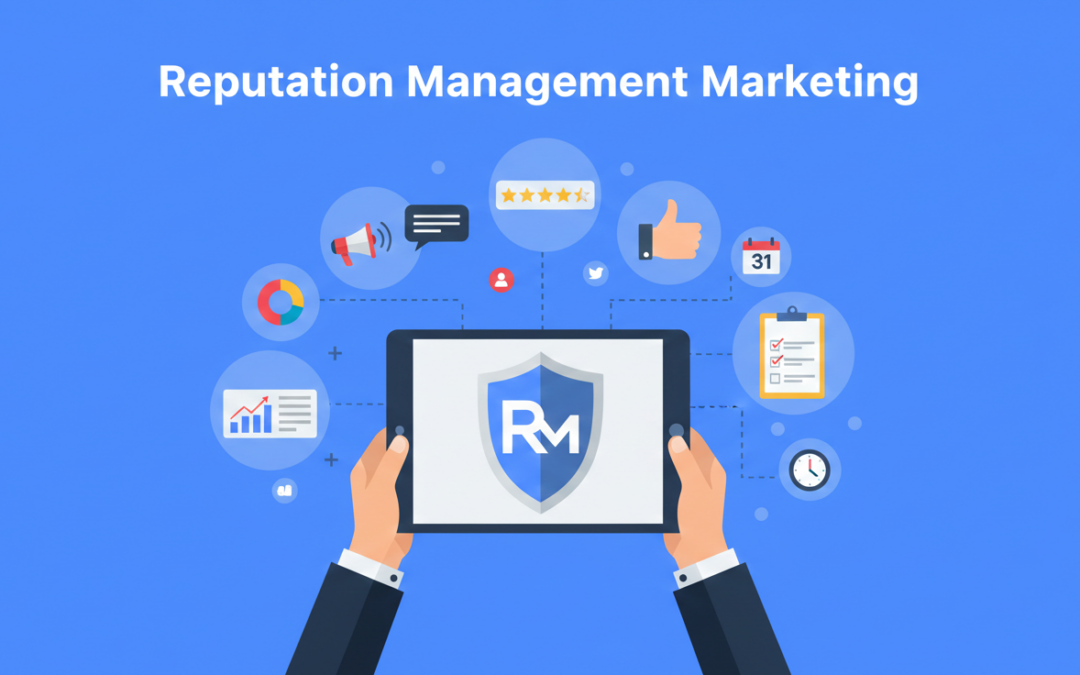
Let’s be honest—your brand reputation can be your biggest asset or your biggest liability. And in 2026, it’s not just about what your company says in press releases. It’s about what customers, employees, influencers, and even algorithms say about you when you’re not in the room.
If you’re an automobile CEO, you already know this industry is under a microscope. New EV competitors pop up overnight. Recalls spread like wildfire on social media. One dealership video goes viral, and suddenly your brand is trending for all the wrong reasons.
So here’s the real question: Are you actively managing your reputation, or just hoping it stays intact?
Because hope isn’t a strategy. And in 2026, Reputation Management is a leadership responsibility—not a marketing task.
Why Reputation Management Matters More in 2026
In the past, automotive reputation was shaped by TV commercials, showroom experiences, and word-of-mouth. Today, it’s shaped by:
-
Google search results
-
TikTok videos
-
Reddit threads
-
Review platforms
-
Employee posts
-
AI summaries of your brand
And the scary part? Customers trust these sources more than they trust you.
Think of your reputation like a credit score. You don’t notice it much when it’s good. But the moment it drops, suddenly everything gets harder—financing, loyalty, recruitment, partnerships, even pricing power.
Reputation Management isn’t about “looking good.” It’s about protecting the business.
Reputation Management
What Reputation Management Really Means for Auto CEOs
Let’s keep it simple.
Reputation Management is the ongoing process of:
-
Monitoring what people say about your brand
-
Responding in the right way
-
Fixing what causes negative feedback
-
Building trust consistently over time
It’s not a one-time PR move. It’s a system.
What CEOs often get wrong
Many leaders think reputation is “marketing’s job.” But marketing can’t fix:
-
bad service experiences
-
dealership misconduct
-
product quality issues
-
customer support failures
-
leadership silence during a crisis
That’s why CEOs must treat Reputation Management like they treat safety, compliance, and revenue.
The New Reputation Triggers: AI, Reviews, and Real-Time Outrage
In 2026, reputation damage doesn’t happen slowly.
It happens in minutes.
One customer uploads a video titled “This dealership lied to me” and suddenly your brand is on the defensive.
Three modern triggers CEOs must understand
1) AI-generated summaries
AI tools now “explain” your brand to customers instantly. If the internet has negative signals, AI will reflect them.
2) Review velocity
A sudden spike in negative reviews is a red flag for search engines—and customers.
3) Screenshot culture
People don’t just complain. They post receipts: emails, invoices, messages, call recordings.
Reputation Management now happens in real time, whether you’re ready or not.
Your Digital Footprint: The CEO and Brand Connection
Here’s an uncomfortable truth:
People don’t separate the CEO from the company anymore.
Your leadership voice is part of your brand identity. Even if you don’t post online, your absence can feel like avoidance.
What CEOs should do instead
Be visible, but not performative.
You don’t need to be everywhere. You need to be consistent and credible.
Strong CEO reputation habits include:
-
Publishing quarterly leadership updates
-
Acknowledging customer concerns publicly
-
Supporting transparency during recalls or delays
-
Showing values through actions, not slogans
In 2026, Reputation Management includes executive presence.
Online Reviews: The New Dealership Front Door
If your dealerships are the “front line,” then online reviews are the front door.
Before a customer walks in, they check:
-
Google reviews
-
DealerRater
-
Facebook
-
Yelp
-
local forums
And here’s the kicker: they judge your entire brand based on one location.
Key review problems in automotive
– Inconsistent dealership experiences
One store is amazing. Another is a disaster. Customers don’t care—it’s the same logo.
– Slow or robotic responses
A copy-paste reply to a complaint feels insulting.
– Review gating
Asking only happy customers for reviews backfires when platforms detect patterns.
CEO-level move
Build a standard dealership review policy:
-
response time expectations
-
tone guidelines
-
escalation workflows
-
accountability dashboards
This is Reputation Management with structure.
Social Media: Where Trust Is Built (or Broken)
Social media is not just entertainment anymore.
It’s where customers decide:
-
“Do I trust this brand?”
-
“Will they treat me fairly?”
-
“Do they stand behind their vehicles?”
What works in 2026
Be human. Be helpful. Be fast.
Customers don’t want perfection. They want honesty.
Strong social Reputation Management looks like:
-
clear answers in comments
-
transparent service updates
-
quick escalation to support teams
-
showing real employees and real customers
One simple rule
If your customer service is slow on social, people assume it’s slow everywhere.
Crisis Management: How to Respond Without Making It Worse
Crisis is not “if.” It’s “when.”
In automotive, it could be:
-
a recall
-
battery issue
-
dealership fraud
-
pricing backlash
-
safety complaint going viral
The biggest CEO mistake
Waiting too long to respond.
Silence creates a vacuum. And the internet fills that vacuum with assumptions.
A practical crisis response framework
1) Acknowledge quickly
Even if you don’t have all the facts.
2) Share what you know
Avoid vague statements like “We take this seriously” with no action.
3) Explain next steps
What are you doing? When will updates come?
4) Keep updating
Consistency builds trust.
Reputation Management during a crisis is like steering on ice—you don’t overcorrect, but you don’t freeze either.
Employee Reputation: Your Workforce Is Your Loudest Voice
Want to know what customers believe about your company?
They listen to employees.
Employees post about:
-
workplace culture
-
leadership decisions
-
dealership practices
-
service department realities
And those posts can become reputation events.
What CEOs should focus on
Your internal reputation drives your external reputation.
If employees feel respected, supported, and proud, they become brand defenders.
If they feel ignored, they become whistleblowers.
Reputation Management starts inside
-
Improve training and support
-
Reward ethical behavior
-
Fix toxic management fast
-
Encourage employee feedback loops
A healthy culture is like a strong foundation—you don’t see it, but it holds everything up.
Supply Chain and Quality: Reputation Starts Before the Sale
Customers don’t care if a delay is caused by:
-
suppliers
-
shipping issues
-
parts shortages
-
manufacturing bottlenecks
They only care about the outcome:
“I paid. I waited. I’m disappointed.”
Quality is reputation insurance
A single defect can trigger:
-
warranty costs
-
social media backlash
-
loss of loyalty
-
regulatory attention
Reputation Management in 2026 includes supply chain transparency and quality discipline.
Customer Experience: The Real Engine Behind Reputation
Let’s get real:
Reputation is the echo of customer experience.
If the experience is frustrating, reputation suffers.
If the experience is smooth, reputation grows naturally.
What customers remember most
-
how long it took to get help
-
how they were treated when angry
-
whether the brand made it right
-
how simple the process felt
CEO question to ask
“How easy is it to do business with us?”
Because ease builds trust. And trust builds reputation.
SEO and Reputation Management: Own Your First Page
When someone searches your brand name, what shows up?
That first page of Google is your reputation billboard.
Reputation Management and SEO are now connected.
What you want on page one
-
your official website
-
dealership pages
-
positive press
-
customer stories
-
transparent FAQ pages
-
accurate business listings
What you don’t want
-
outdated complaints ranking high
-
misleading articles
-
unmanaged review pages
-
negative forum threads dominating results
CEO-level strategy
Invest in content that answers real questions like:
-
“Is this model reliable?”
-
“How does the warranty work?”
-
“What happens if the battery fails?”
The more you own the narrative, the less you chase it.
Reputation Metrics CEOs Should Track Monthly
You track revenue, costs, and production.
So why wouldn’t you track trust?
Here are Reputation Management metrics that matter in 2026:
Key metrics to monitor
-
Average review rating (brand + dealers)
-
Review volume trend (up or down?)
-
Response rate and response time
-
Customer sentiment score
-
Share of voice vs competitors
-
Search results quality (page 1 control)
-
Net Promoter Score (NPS)
-
Complaint resolution time
-
Repeat purchase and loyalty rates
If you can measure it, you can manage it.
How to Build a Reputation Management System That Scales
Reputation isn’t fixed by one campaign.
It’s fixed by a repeatable system.
Build a system with four pillars
1) Monitor
Track reviews, mentions, social comments, and search results.
2) Respond
Respond quickly, calmly, and consistently.
3) Resolve
Fix the root problem behind complaints.
4) Improve
Use feedback to upgrade processes and training.
What scaling looks like
-
centralized reputation dashboard
-
dealership-level scorecards
-
automated alerts for spikes in negativity
-
escalation teams for high-risk issues
-
monthly executive reporting
This is how Reputation Management becomes a business advantage—not a fire drill.
The Future of Reputation Management in Automotive
Here’s where things are going next:
What will define reputation leaders in 2026 and beyond
– Transparency wins
Brands that communicate clearly earn trust faster.
– Speed beats perfection
Fast, honest responses outperform polished silence.
– Customer experience becomes the marketing
Your service department is your reputation department.
– AI will influence public perception
Your online signals will shape how AI describes your brand.
In other words, Reputation Management is no longer a “nice to have.”
It’s a competitive edge.
Conclusion
In 2026, your automotive brand isn’t judged only by horsepower, range, or design. It’s judged by trust.
And trust is built in hundreds of small moments:
-
a fair service interaction
-
a helpful response to a review
-
a transparent update during a delay
-
a CEO who shows up when it matters
The best part? You don’t need to control everything. You just need to lead consistently.
Because Reputation Management isn’t about protecting your image.
It’s about protecting your future.
Recent Comments